
Needlepoint 101
Needlepoint Basics: Why Understanding Your Foundation Matters
If you are beginning needlepoint, the most important decision you will make happens before your first stitch. Choosing between Aida fabric and mesh canvas, and then selecting the correct mesh size, determines how your project will look, feel, and stitch.
Many beginners search online for “needlepoint fabric” and quickly encounter terms like 10 mesh, 13 mesh, 14 mesh, 18 mesh, printed needlepoint canvas, hand-painted canvas, mono canvas, and interlock canvas. Without understanding construction and purpose, these terms feel overwhelming.
We put together this guide to explain how aida and mesh canvases are built, what printed and painted designs require, how canvas brands such as Zweigart influence quality, and how to confidently choose between 10, 13, 14, and 18 mesh for modern and traditional projects alike.
Aida Fabric: Construction, Purpose & When to Use It
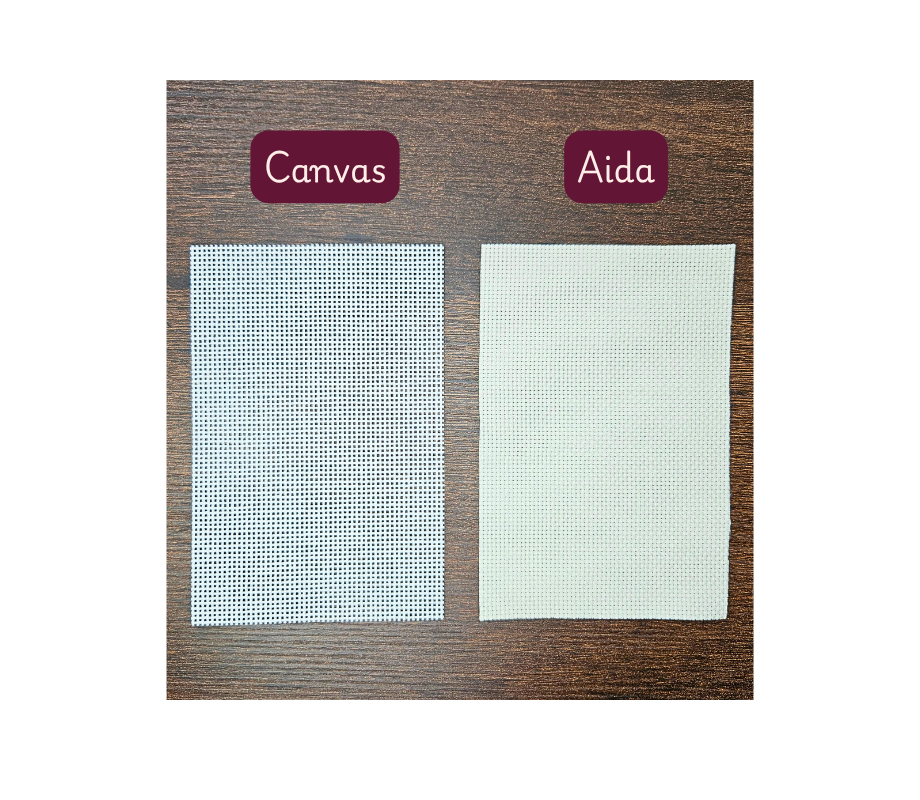
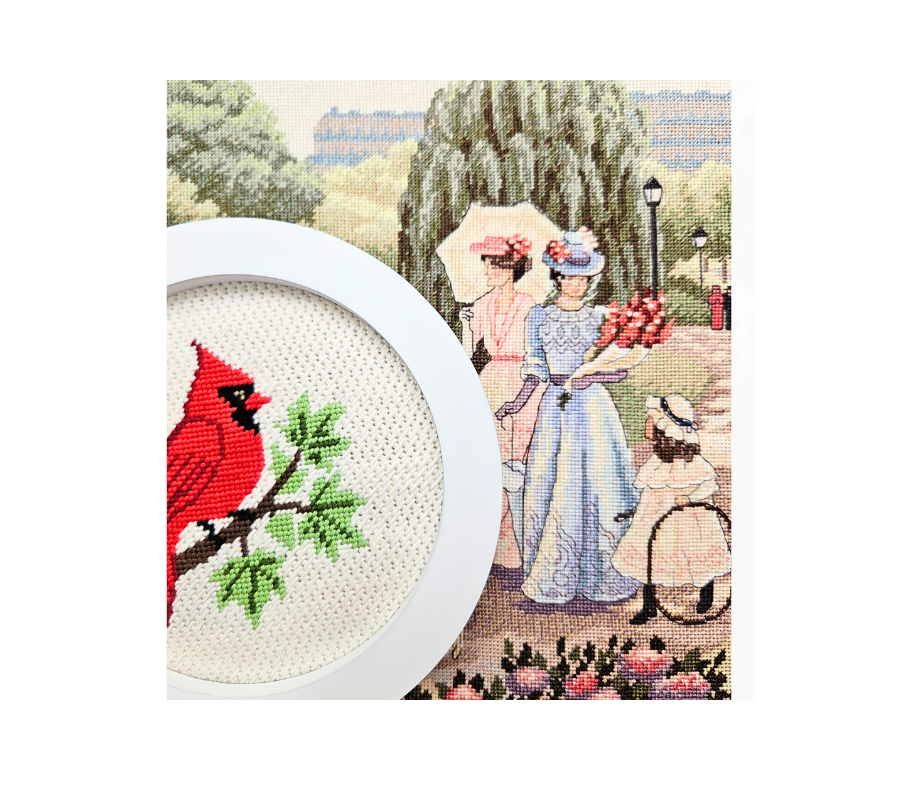
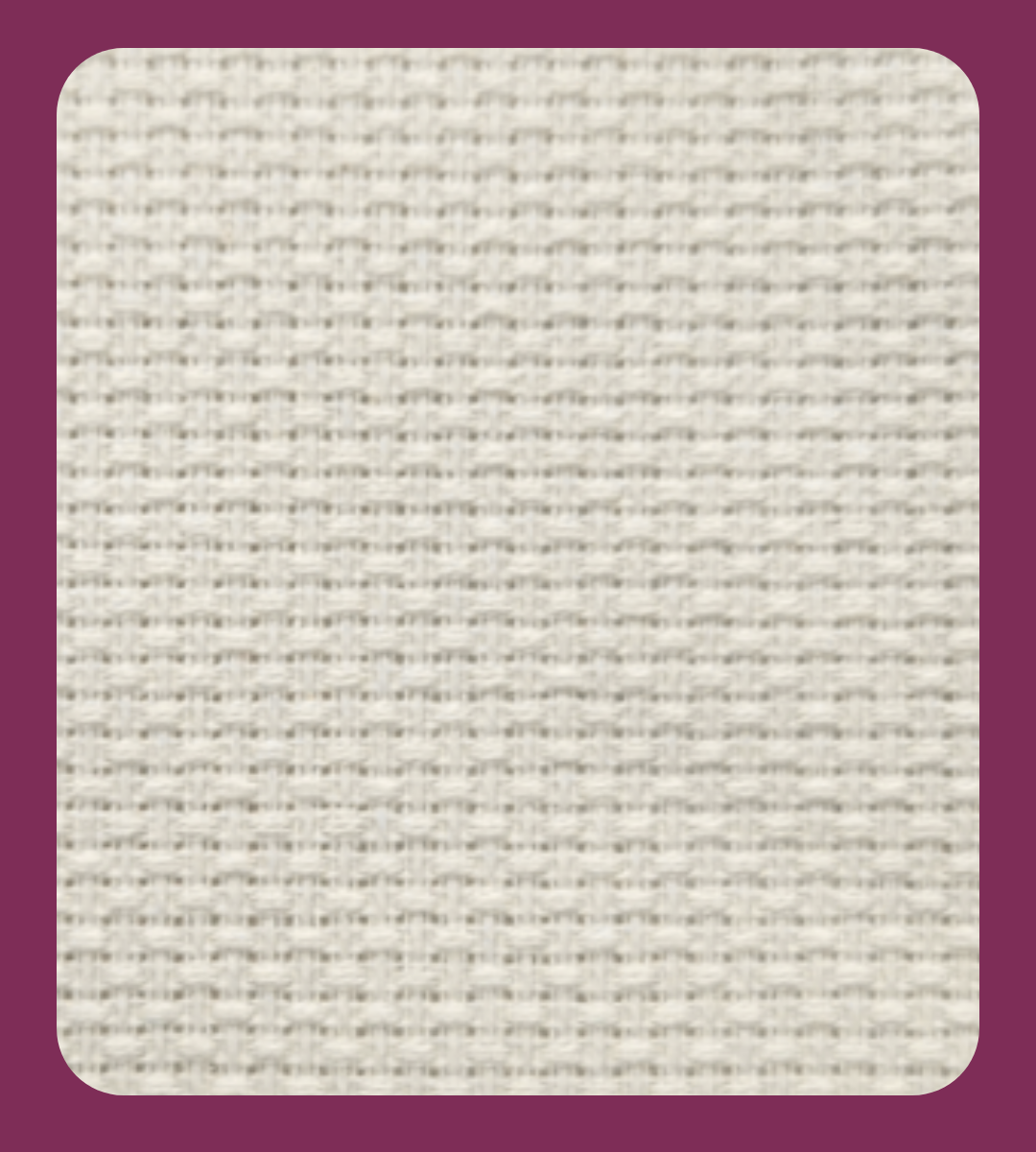
Aida fabric is a woven cotton fabric designed specifically for counted cross stitch. Its threads are grouped to create evenly spaced square holes that guide X-shaped stitches. When stitching on Aida, you pierce the fabric and create diagonal crosses across those squares.
Aida is ideal for cross-stitch charts, samplers, alphabet patterns, and decorative embroidery. It is soft, flexible, and lightweight compared to mesh canvas. However, it's not designed for tent stitch or wool tapestry. If you are working with a printed or painted needlepoint design, you will use mesh canvas instead.
Mesh Canvas: How It Is Built & Why It Is Different
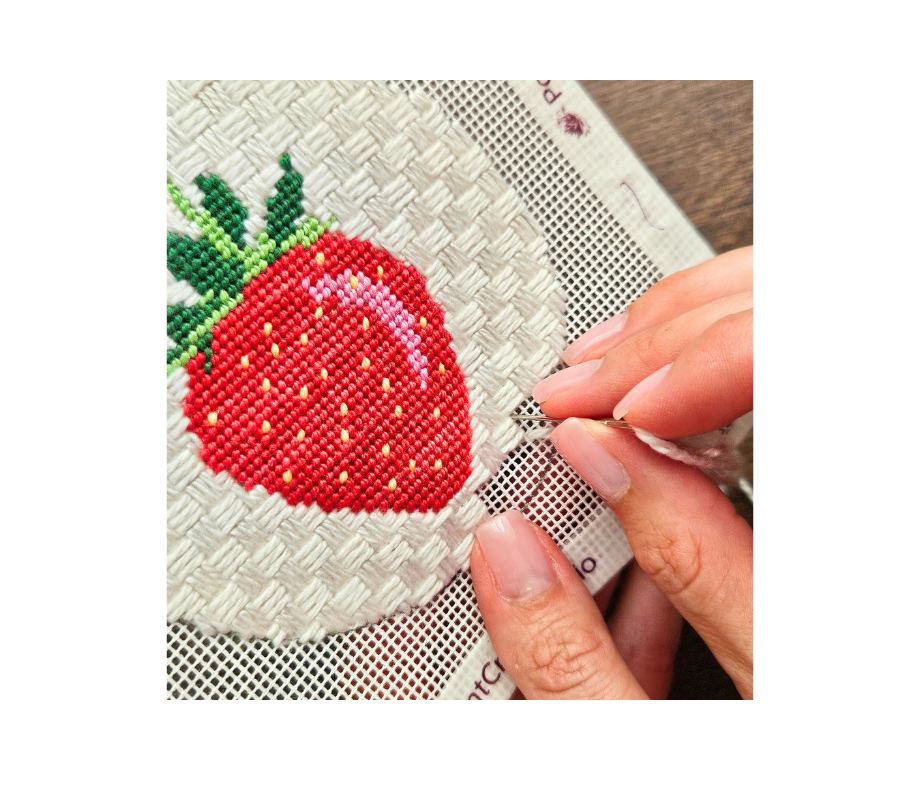
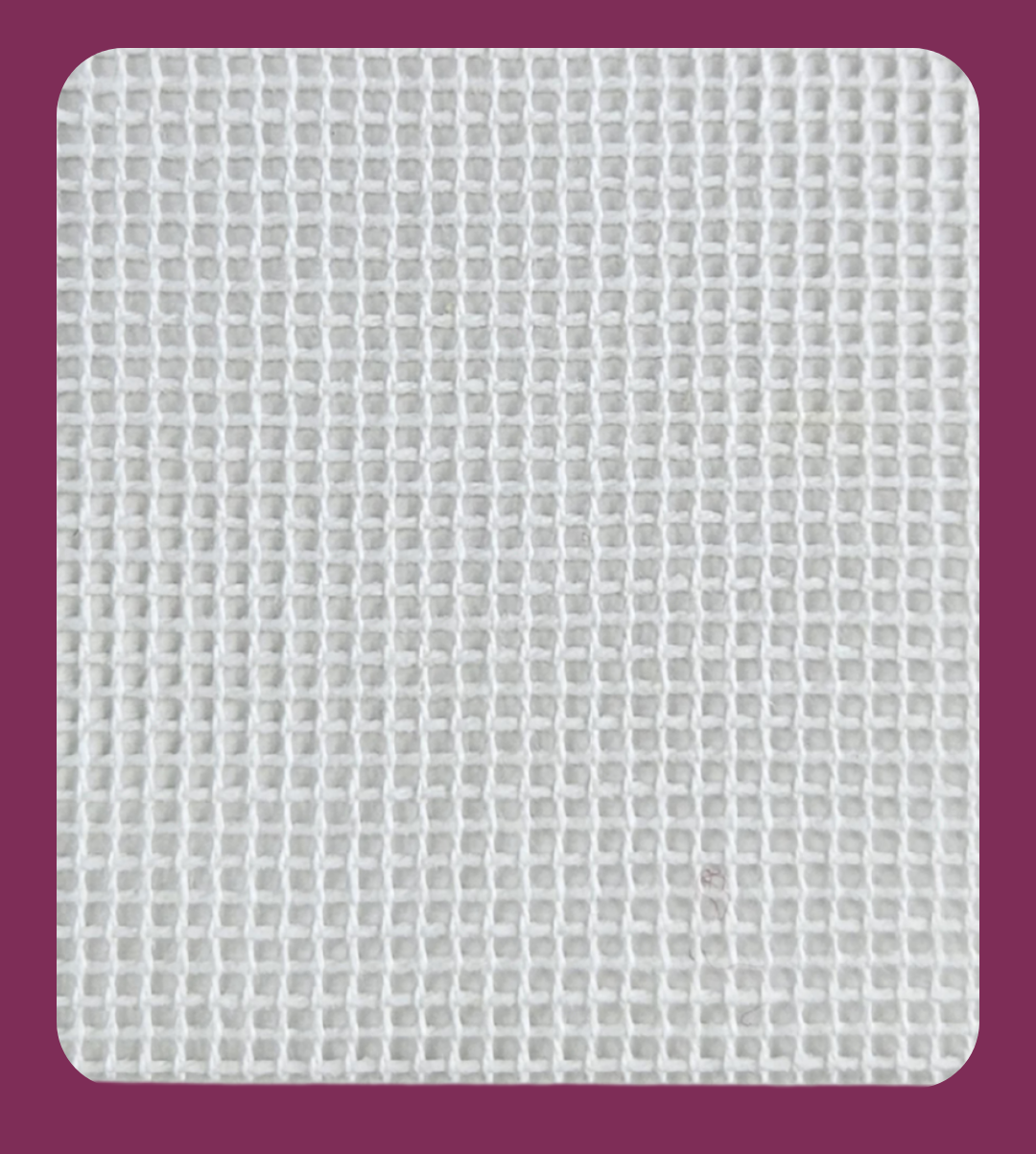
Needlepoint mesh canvas is constructed from stiff, open-weave threads for stable intersections. Unlike Aida, you don't pierce the threads. Instead, the needle passes through open holes created by the grid structure. This construction allows the canvas to support tent stitch, decorative stitches, wool threads, and specialty fibres.
Mesh canvas maintains structure while stitching and blocks beautifully when finished. It's mostly used for wool tapestry kits, bold printed needlepoint designs, detailed hand-painted canvases, cushions, ornaments, and home décor pieces.

Mono Canvas vs Interlock Canvas:
Mono canvas is woven with single vertical and horizontal threads. It feels flexible and traditional and is commonly used for hand-painted needlepoint canvases. Because it is flexible, it softens naturally when stitched and blocks well.
Interlock canvas twists threads at each intersection, locking them together. It feels firmer and resists distortion. Beginners often appreciate interlock because it holds its shape during stitching. Both mono and interlock are high-quality needlepoint canvases. The choice depends on preference, tension control, and project type.
Understanding Mesh Size: What 13, 14 & 18 Mesh Really Mean
Mesh size refers to the number of holes per inch in the canvas. Lower numbers create larger stitches and a more visible texture. Higher numbers create smaller stitches and more refined detail. Mesh size does not indicate difficulty; it changes scale and aesthetic outcome.
13 & 14 Mesh Needlepoint Canvas: Balanced & Versatile
13 and 14 mesh are extremely versatile and widely used for both printed and hand-painted needlepoint canvases. This mesh range supports wool, cotton, silk blends, and specialty fibres. It allows for colour blending, decorative stitches, and refined shapes while remaining comfortable for beginners. Many professional designers choose 13–14 mesh because it provides flexibility without sacrificing clarity.
18 Mesh Needlepoint Canvas: Detail, Shading & Refinement
18 mesh canvas produces smaller stitches and smoother finishes. It is ideal for intricate painted designs, ornaments, and detailed motifs. The finer grid allows subtle shading and complex artwork. While it requires more precision, it rewards stitchers with polished results. For beginners who enjoy detail and patience-driven projects, 18 mesh can be a rewarding starting point.
Printed vs Hand-Painted Needlepoint Canvas
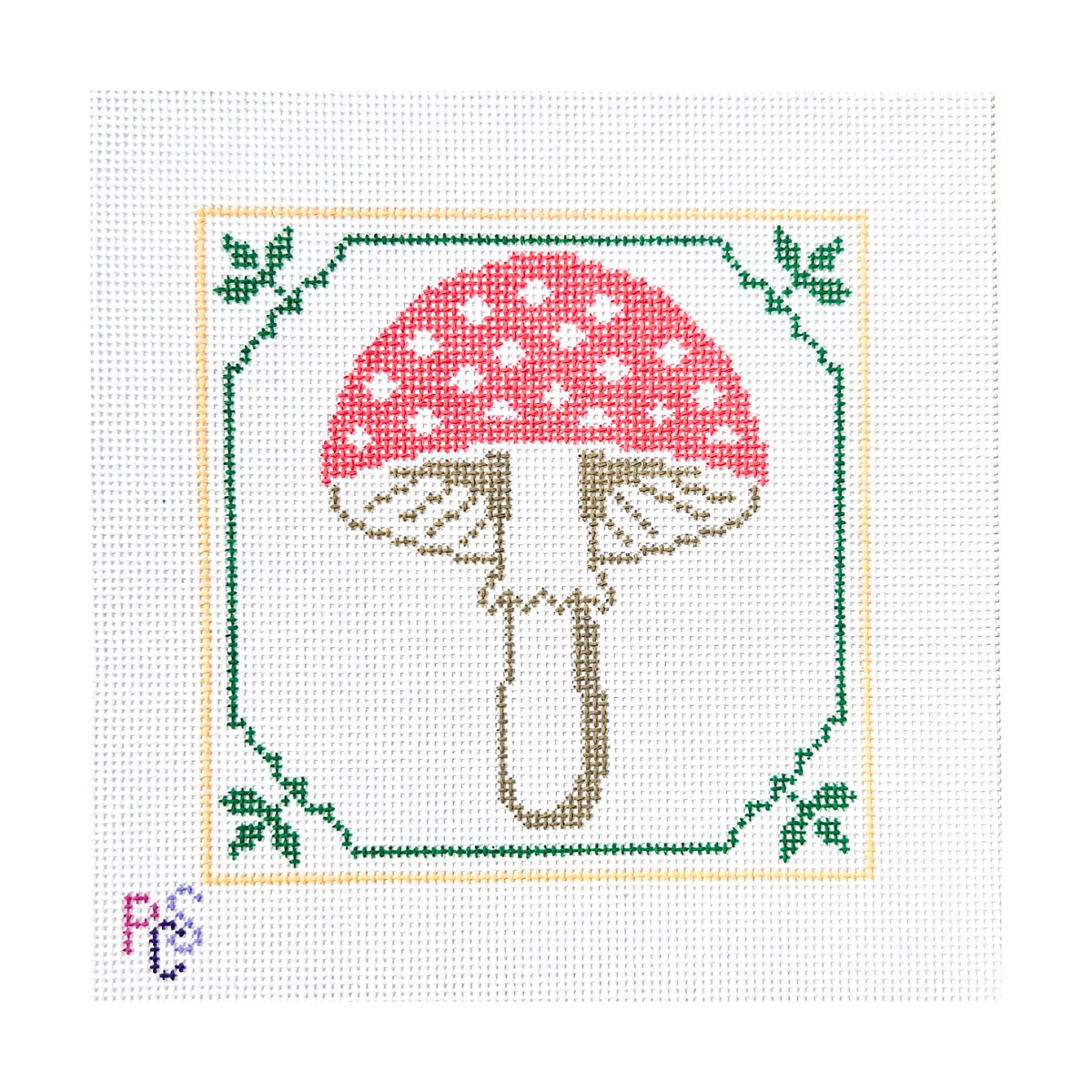
Printed needlepoint canvas uses advanced printing techniques to apply designs directly onto mesh canvas. It offers consistent colour blocks and is often ideal for bold modern designs. Hand-painted canvas is individually painted by artists. It allows for subtle shading, layered colour, and artistic variation. Both printed and painted canvases rely on high-quality base mesh. The difference lies in artistic application, not stitching technique.
Canvas Brands & Quality: Why Zweigart Matters
Quality canvas affects stitch appearance, durability, and blocking. Established brands such as Zweigart are known for consistent mesh sizing, clean intersections, and durable fibres. Professional designers frequently use reputable canvas brands to improve accuracy and longevity. When investing time into a needlepoint project, starting with high-quality canvas helps ensure professional results.
How to Choose as a Beginner
- If you are stitching cross-stitch patterns, choose Aida fabric.
- If you are stitching printed or painted needlepoint designs, choose mesh canvas.
- For versatility and balanced projects, choose 13 from Unwind Studio or 14 mesh from our hand painted collection.
- For detailed shading and refined ornaments, choose 18 mesh from Kate Dickerson designs.
Understanding structure, mesh size, and design type helps you feel confident and sure that you're choosing the right elements for your projects!
Find your next (or first!) project: