
How to Tell If a Needlepoint Canvas Is Beginner Friendly?
How to Tell If a Needlepoint Canvas Is Beginner-Friendly
Choosing your first needlepoint canvas can be exciting—but how do you know whether a design is actually suitable for a beginner?
The answer isn't simply the size of the canvas.
A small canvas can be surprisingly detailed, while a larger canvas with simple shapes and bold colours can be very relaxing to stitch.
When choosing a beginner needlepoint canvas, look at the colour palette, colour changes, amount of detail, shading, mesh count, fibers and stitches.
Here's what to look for.
1. Look at the Colours
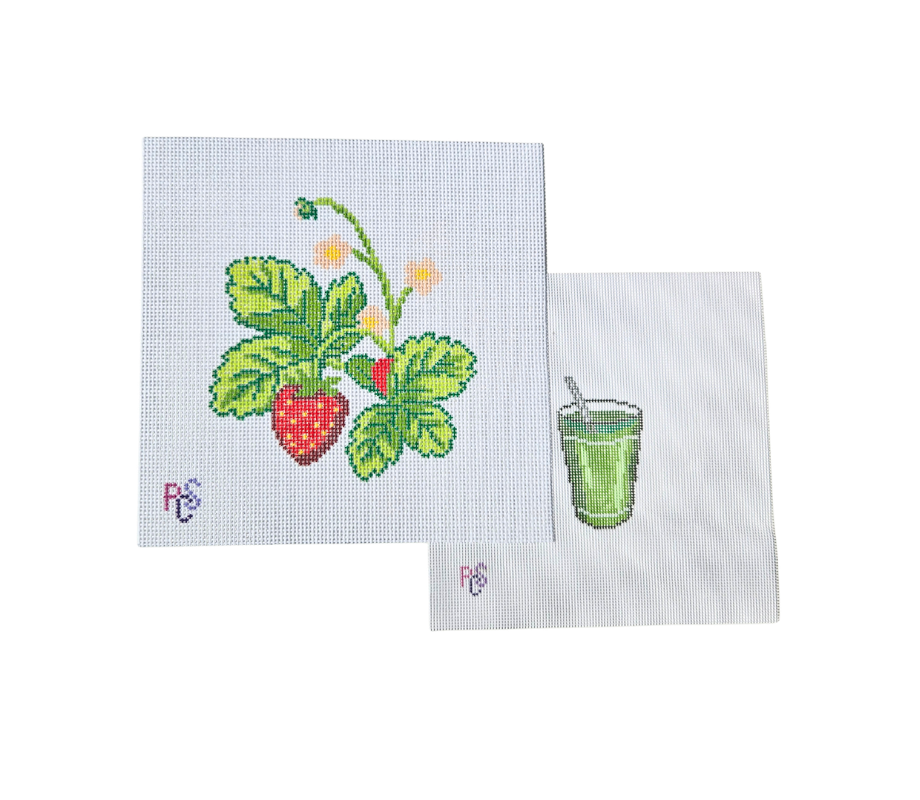
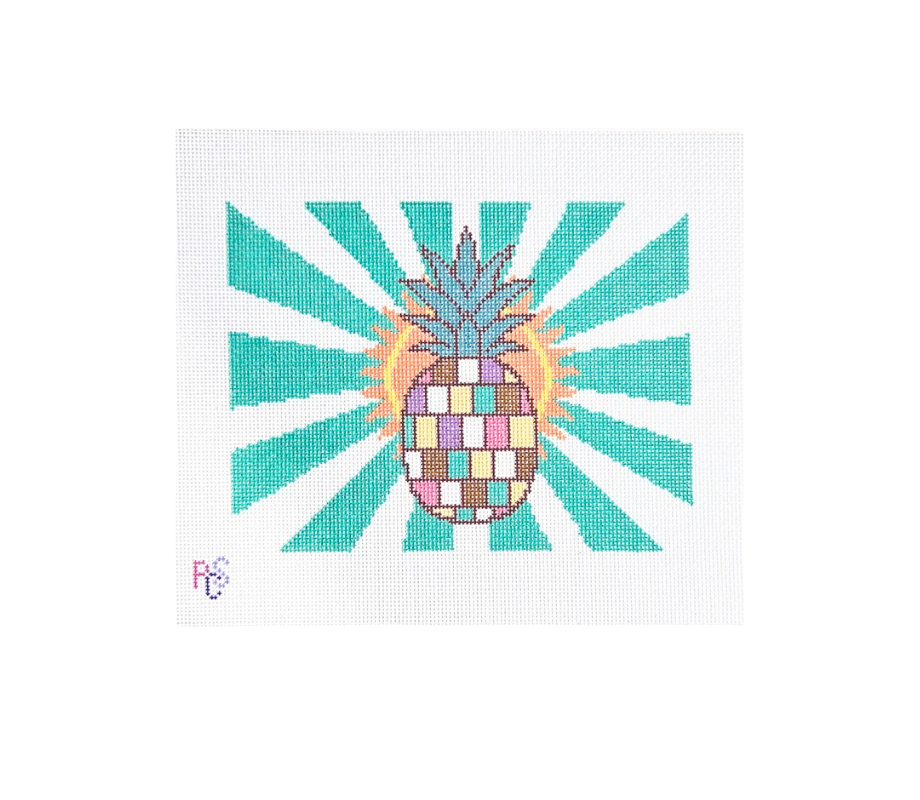
A canvas with a small number of clearly different colours is often easier to manage.
For example, a design using red, green, white and black makes it easy to see where each colour belongs.
But don't simply count the colours.
Six similar shades can be more difficult than twelve contrasting colours.
If you're new to needlepoint, look for a design where the different areas of colour are easy to distinguish.
2. Check for Colour Shading
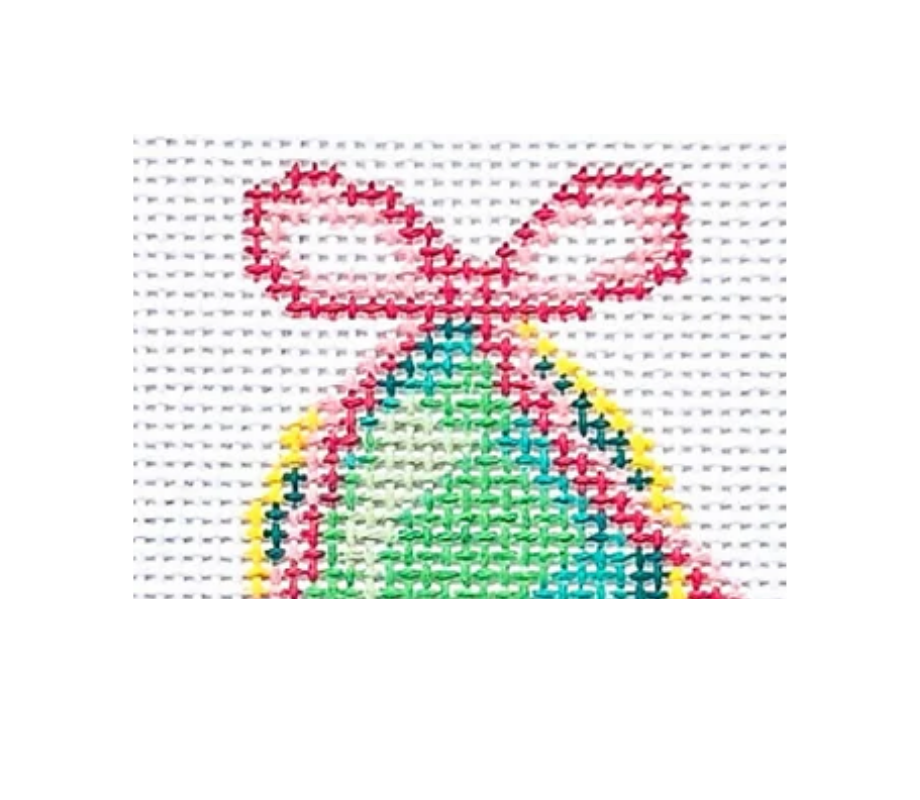
Gradual colour changes can make a canvas more challenging.
A simple design might have a large area of blue.
A more complex design might use:
-
Pale blue
-
Light blue
-
Blue-grey
-
Medium blue
-
Dark blue
The more subtle the transition, the more carefully you'll need to follow the design.
For a first project, large areas of solid colour can make stitching easier and more relaxing.
3. Look at the Amount of Detail
Tiny details can increase the difficulty of a canvas.
Look for:
-
Small shapes
-
Fine outlines
-
Tiny isolated areas
-
Detailed faces
-
Intricate patterns
-
Small lettering
A simple floral or geometric design may be easier to navigate than a highly detailed illustration—even if both canvases are the same size.
4. Consider How Often You'll Change Threads
Frequent colour changes can make a project feel more complicated.
If you can stitch several rows with the same thread, you'll spend more time stitching and less time stopping to change fibers.
A canvas with many small areas of different colours may require much more thread management.
This doesn't make it a bad project.
It simply means it may be better suited to someone who enjoys detailed stitching.
5. Look at the Mesh Count
Mesh count affects the size of the openings in the canvas and the scale of the finished stitches.
Generally:
Lower mesh count = larger openings and larger stitches.
Higher mesh count = smaller openings and finer stitches.
However, mesh count alone doesn't determine difficulty.
An 18-mesh canvas with a simple design may be easier than a 13-mesh canvas covered with intricate details and dozens of colour changes.
Consider mesh together with the design.
6. Check the Fibers and Stitches
A project using one primary fiber and a basic stitch can be a comfortable place to start.
A project requiring several specialty fibers and numerous decorative stitches will involve more techniques and thread management.
For beginners, look for projects where the materials and stitching requirements are clearly explained.
A Quick Beginner Canvas Test
Before buying a canvas, ask yourself:
Are the colours easy to distinguish?
Are there large areas of colour?
Is there minimal shading?
Are there relatively few tiny details?
Will I be able to stitch for a while before changing threads?
Is the mesh comfortable for me to see and handle?
Are the required fibers and stitches manageable?
The more you can answer "yes," the more beginner-friendly the canvas is likely to feel.
Beginner, Confident Beginner or Advanced?
A simple way to think about canvas difficulty:
Beginner
-
Clear colour separation
-
Larger areas of colour
-
Minimal shading
-
Simple design
-
Limited thread changes
-
Basic stitches
Confident Beginner
-
More colours
-
Some shading
-
More detail
-
More frequent colour changes
-
Additional fibers or stitches
Intermediate to Advanced
-
Many similar shades
-
Complex gradients
-
Intricate details
-
Frequent thread changes
-
Fine mesh
-
Multiple specialty fibers
-
Numerous decorative stitches
Don't Choose a Canvas Based on Difficulty Alone
If you love a detailed canvas, don't automatically rule it out because you're new.
A more challenging project can be a wonderful way to learn.
The purpose of understanding difficulty isn't to tell you what you shouldn't stitch.
It's to help you know what you're getting into before you buy.
And sometimes the canvas you love most is worth the extra time.
Find a Canvas You'll Enjoy Stitching
The best beginner needlepoint canvas is one that feels manageable and makes you want to pick up your needle.
Look beyond size.
Pay attention to colour variety, colour contrast, shading, detail, mesh, fibers and stitching requirements.
Once you know what to look for, choosing your first project becomes much easier.
Explore PointCraft Studio's needlepoint canvases and kits to find a project that matches your stitching experience.